Why San Diego Home Remodeling Delivers Increased Property Value
Home Remodeling Made Easy: A Complete Guide for Property Owners
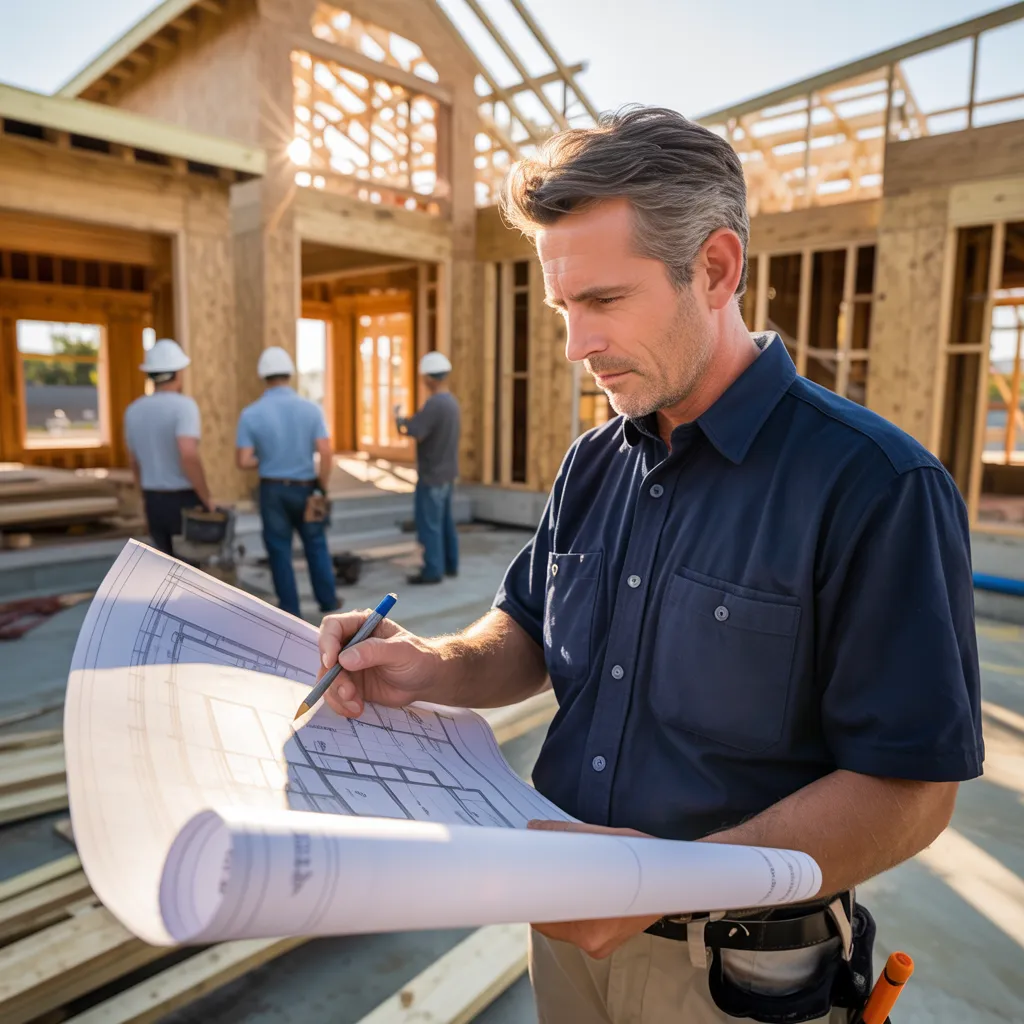
Home renovation can be an challenging task for many homeowners. Recognizing one's requirements and establishing realistic goals is crucial. An structured approach can make the process easier and more effective. This guide offers valuable insights into budgeting, design, and selecting the right materials. Homeowners may find themselves contemplating the best methods for addressing these challenges. What critical steps should they consider to ensure a successful transformation of their living spaces?
Examining What You Require and Goals
When evaluating their wants and objectives for home renovation work, homeowners often wonder where to get started. The first step encompasses a extensive examination of their current living situation and preferred results. Homeowners should reflect on specific areas that require improvement, such as aging kitchens, insufficient storage, or insufficient room. Pinpointing these issues can help order projects based on pressing need and obligation.
Furthermore, homeowners should reflect on their future objectives. Are they looking to enhance comfort, boost property value, or create a more efficient space for family events? Understanding these objectives will direct the remodeling process and guarantee that the final outcome aligns with their vision.
Additionally, obtaining feedback from family members can be worthwhile, as different viewpoints may uncover additional requirements or desires. By making the effort to evaluate their goals and needs, homeowners can establish a strong foundation for a successful renovation project.
Setting a Realistic Budget
Establishing a achievable budget is important for a effective renovation project. Homeowners should begin by estimating project costs, considering materials, labor, and design elements. Additionally, reserving contingency funds can help manage unexpected expenses that may emerge during the renovation process.
Calculate Assignment Costs
defined projection, property owners can establish a practical spending plan that matches their monetary resources and project goals, eventually resulting in a smoother remodeling experience.
Set aside emergency resources
Estimating project costs establishes the foundation for effective budgeting, but property owners must also account for unforeseen costs that may occur during a renovation undertaking. A common recommendation is to allocate a reserve fund, usually spanning from 10% to 20% of the total budget. This allocation functions as a financial buffer, enabling property owners to handle unforeseen issues such as structural repairs or cost escalations without disrupting the entire project. By preparing for these possible expenses in beforehand, property owners can exercise better management over their money and reduce stress throughout the remodeling process. Ultimately, a carefully planned budget that includes contingency funds improves the probability of a successful and satisfying renovation experience.
Creating Your Environment
How can inhabitants competently create their space to reflect their personal style while increasing functionality? To reach this aim, they should start off by evaluating their needs and lifestyle. Comprehending how each room will be engaged guides the overall layout and flow. Homeowners might think about forming zones for diverse functions, ensuring that peak-use spaces prove open and accessible.
Including elements that display personal preference, such as color schemes, furniture styles, and ornamental details, permits a one-of-a-kind presentation without forgoing practicality. Additionally, employing multifunctional furniture can maximize space efficiency, especially in smaller areas.
Natural light represents another important point; opening up windows or placing mirrors can generate a more engaging vibe. Ultimately, property owners need to examine proportion and scale, confirming that pieces align with the area's size while maintaining a neat presentation. Through combining thoughtful design with style, property owners can construct a cohesive residential setting personalized for their inclinations.

Determining Materials and Surface finishes
When selecting materials and finishes, homeowners should prioritize both visual appeal and durability to ensure their choices withstand the test of time. The selection process starts with understanding the intended aesthetic of the space, as different products can create distinct atmospheres. For instance, natural wood can produce warmth, while modern metal finishes may impart a modern edge.
Property owners should also take into account the maintenance requirements of each material. Some finishes may require more upkeep than others, affecting long-term satisfaction. Additionally, budget constraints are essential; selecting premium yet affordable options can result in lasting value.
Sustainability is growing increasingly crucial, encouraging many to select environmentally conscious materials that reduce environmental impact. Finally, homeowners should collect samples to picture how chosen materials will work with lighting and existing elements in the space. This practical approach aids in making informed decisions that align with both personal style and practical needs.
Finding the Ideal Experts
Homeowners should carefully assess the credentials and background of contractors employed for home renovation to ensure quality work. Additionally, comparing cost estimates across various service providers aids in making informed financial decisions. Finding the right expertise through these essential steps is vital for a prosperous renovation undertaking.
Appraising Qualifications and Professional History
Recruiting the right experts for a home renovation project requires careful consideration of their qualifications and expertise. Property owners should begin by confirming credentials, ensuring that contractors possess the necessary permits and credentials relevant to the project. Furthermore, examining a collection of past work can provide understanding into a professional's approach and quality of craftsmanship. It is also beneficial to request references from past clients to assess contentment and reliability. Experience in particular kinds of renovation, such as kitchen or bathroom renovations, can be vital; experts often have the advanced abilities needed for intricate tasks. Finally, a thorough assessment of credentials and expertise will help property owners choose contractors who can successfully implement their vision while conforming to professional standards.
Comparing Price Quotes Effectively
Assessing cost estimates is a vital component of the hiring process for residential remodeling projects. Homeowners ought to obtain estimates from various contractors to ensure a detailed comparison. Each proposal should specify labor, materials, and any supplementary charges, making possible an exact head-to-head review. It is important to examine both the overall cost and the extent of work encompassed in each proposal. Homeowners should be cautious of substantially reduced quotes, as they could point to substandard work or undisclosed fees. Discussing matters with contractors regarding their proposals can deliver information about their approach and honesty. In the end, picking a contractor should reconcile price and the merit of superior craftsmanship, supporting a successful remodeling outcome.
Mastering the Reconstruction Workflow
Although the renovation process can feel intimidating, homeowners can succeed by following a number of vital steps. First, they should establish a clear vision of their project, outlining desired outcomes and specific features. Next, creating a realistic budget is necessary, taking into account materials, labor, and unforeseen expenses. Looking into and selecting trustworthy contractors can also yield positive results; homeowners should seek recommendations and look at reviews before deciding.
Once a contractor is chosen, effective communication is essential. Homeowners should discuss timelines, project scope, and any concerns upfront to sidestep misunderstandings. During the remodeling phase, regular check-ins with the contractor will help make sure that the project stays on track and adheres to the agreed-upon plan. Finally, being receptive to changes, whether due to unexpected issues or new ideas, can elevate the overall experience, leading to a successful and satisfying remodeling outcome.
Commonly Asked Questions
What Duration Can You Foresee for a Typical Home Renovation Project?
A standard home remodeling project generally takes anywhere from a few weeks to several months, depending on the scope of work, size of the home, and any unexpected issues that may arise during the project.
What Permits Are Mandatory for Home Remodeling?
Home remodeling typically calls for different types of permits, comprised of building, electrical, plumbing, and zoning permits. The particular standards rely on local regulations and the project's scope, providing adherence to safety and construction standards during renovations.
How Can I Minimize Interruptions During Renovation?
To minimize complications applicable information during remodeling, one should develop a detailed timeline, liaise with tradespeople, create particular work sections, and advise residents about timelines. This coordination assists maintain routine and minimizes anxiety throughout the process.
What Moves Ought to I Execute if I Surpass My Financial Limit?
If a budget is exceeded, he should assess the reasons, focus on essential modifications, and investigate possible ways to reduce expenses. Clear dialogue with contractors and looking for substitute materials can also help realign finances with project goals.
How Can I Guarantee High-Quality Workmanship?
One should seek out and hire dependable contractors, check references, review past projects, and establish clear communication about expectations, timelines, and materials to guarantee quality workmanship. Consistently monitoring progress also helps copyright high standards throughout the project.